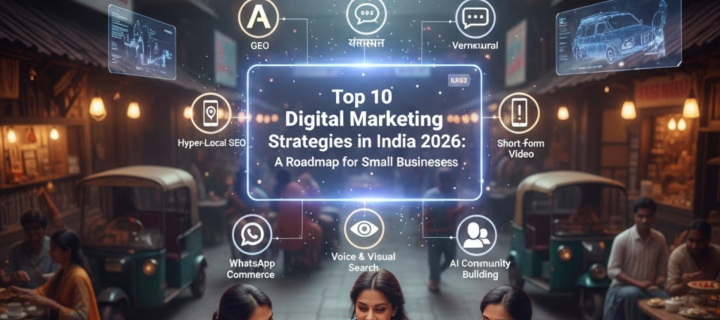
The year 2026 marks a decade since the digital revolution truly ignited in India. Today, the landscape is no longer about just “having a Facebook page.” We are in the era of 6G connectivity, Generative AI, and a hyper-localized internet that breathes in dozens of regional languages. For an Indian small business (SMB), the competition is no longer the shop next door; it is the global algorithm.If you are looking for the definitive guide to digital marketing strategies in India 2026, this 2,000-word roadmap provides the deep-dive insights you need to scale.
1. Generative Engine Optimization (GEO): A Core Pillar of Digital Marketing Strategies India 2026
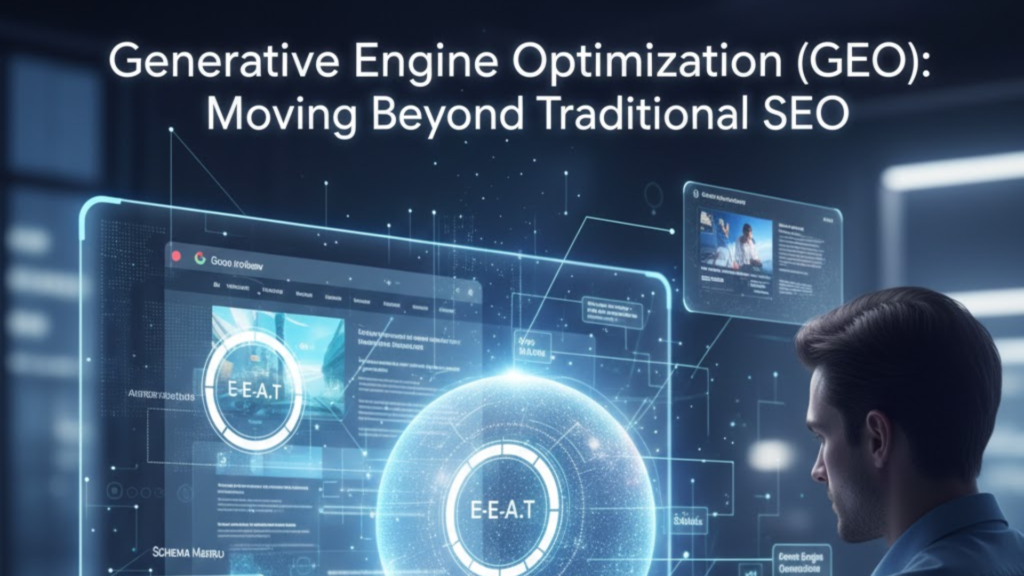
In 2026, search has evolved. When an Indian consumer searches for “best organic fertilizer for terrace gardens,” they no longer see a list of ten blue links. Instead, they see a Google AI Overview—a synthesized answer that pulls data from across the web.
Why GEO is Critical:
Traditional SEO focused on keywords. GEO focuses on context and authority. If the AI doesn’t cite your business as a source, you don’t exist for 60% of users who never scroll past the AI summary. To win, you must optimize for “Answer Engine” visibility.
- The Strategy: Transition your blog from “How-to” articles to “Comprehensive Answer Hubs.” Use structured data (Schema.org) to define every entity in your business—price, founder, location, and specific service areas.
- The Technical Edge: Implement NLP (Natural Language Processing) friendly headers. Use questions as H2 tags (e.g., “Why is organic fertilizer better for Delhi’s climate?”) and provide a concise, factual 50-word answer immediately below.
2. Digital Marketing Strategies India 2026 & Vernacular 2.0: The Rise of the Regional-First Economy
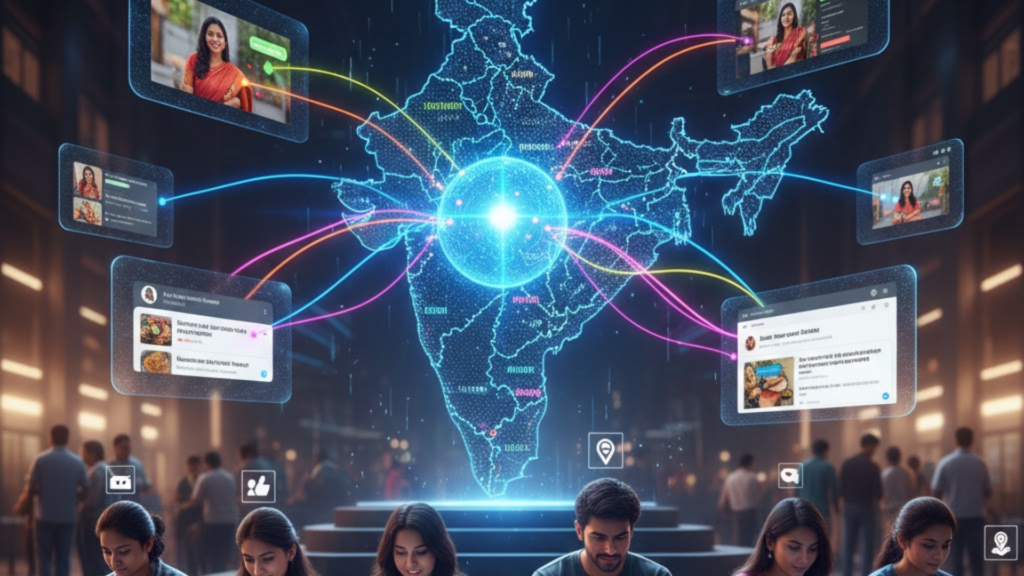
By 2026, 9 out of 10 new internet users in India are consuming content in non-English languages. The “Bharat” market (Tier 2, 3, and rural areas) is now the primary driver of e-commerce.
The Strategy of “Transcreation”:
Generic translation is a recipe for failure. You need Transcreation—adapting the message to fit the local culture, idioms, and emotions. A marketing campaign in Kerala for Onam must feel fundamentally different from a Durga Puja campaign in West Bengal, even if the product is the same.
- Actionable Step: Build multi-lingual landing pages. Use the hreflang attribute to tell search engines which language version to show.
- Voice of the Customer: Use local dialects in your ad copy. If you are targeting Kanpur, use the local flavor of Hindi to build instant “Apnapan” (belongingness).
3. Hyper-Local SEO: A Critical Element of Digital Marketing Strategies India 2026 for Micro-Moment Dominance
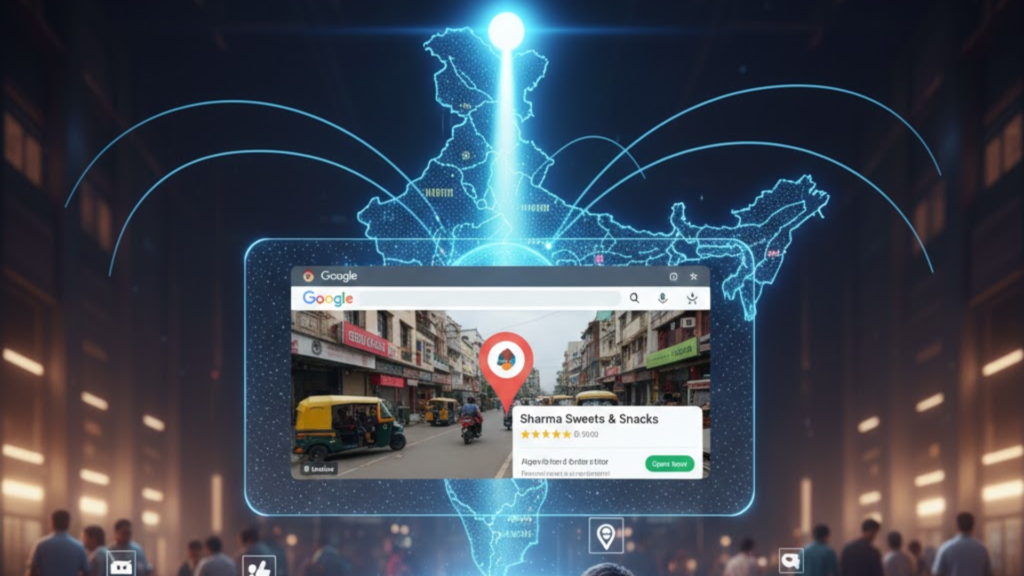
In 2026, Google Maps is no longer just a navigation tool; it is a social discovery platform. With Augmented Reality (AR) Live View, customers can point their phones at a street and see your shop’s ratings, current offers, and even a 3D view of your interior overlaid on their screen.
Maximizing Local Footfall:
Small businesses must treat their Google Business Profile (GBP) as their secondary homepage.
- Strategy: Post daily “Local Updates.” Treat GBP like Instagram Stories. Share photos of happy customers, new arrivals, or your morning store setup.
- Local Backlinks: Get featured in local news portals or community blogs. Google’s 2026 algorithm prioritizes “Geographic Relevance” over “Domain Authority” for local queries.
Comparative Analysis: Marketing Evolution (2022 vs 2026)
| Feature | Digital Marketing 2022 | Digital Marketing 2026 |
| Search Primary | Keyword-based (Text) | Intent-based (AI/Voice/Visual) |
| Content Format | Long blogs & Images | Short-form Video & Interactive AR |
| Data Source | Third-party Cookies | First-party & Zero-party Data |
| Primary Device | Smartphone (4G/5G) | Smartphone + Smart Wearables (6G) |
| Engagement | Transactional (Buy Now) | Conversational (Chat/Voice) |
4. WhatsApp Commerce: A Core Pillar of Digital Marketing Strategies India 2026 and the Operating System of Indian Life
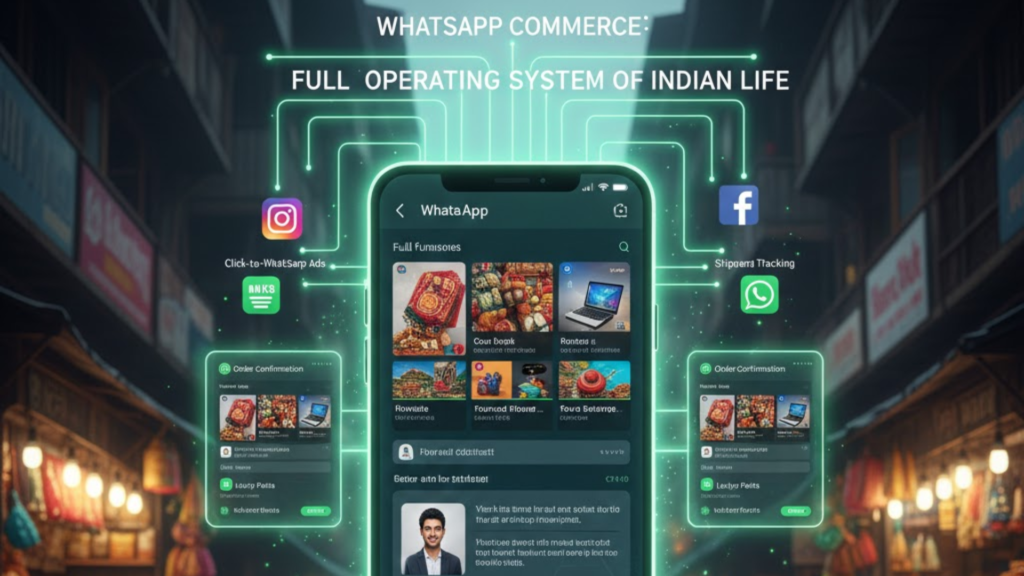
WhatsApp has evolved into a “Super App” in India. In 2026, a small business can run its entire operation—from lead generation to post-sale support and payment—inside a single WhatsApp chat window.
The Full-Funnel WhatsApp Strategy: A Key Component of Digital Marketing Strategies India 2026
- Discovery: Use “Click-to-WhatsApp” ads on Facebook and Instagram.
- Selection: Use the WhatsApp Catalog feature with AI-powered recommendations.
- Payment: Native integration with UPI and Meta Pay means the customer never leaves the app.
- Retention: Send automated “Restock Alerts” or “Loyalty Points” updates.
- Ethics Check: Avoid spam. In 2026, WhatsApp’s “Report/Block” algorithms are brutal. Only send high-value, personalized messages to users who have opted in.
5. Short-Form Video & The “Creator” Economy
The average Indian spends over 3 hours a day watching short-form videos. Platforms like YouTube Shorts, Instagram Reels, and local apps have democratized fame. For an SMB, this is the most cost-effective way to build a brand.
The Content Pillar Strategy:
Don’t just sell; Educate and Entertain.
- The 3-Tier Video Approach:
- Top of Funnel: Viral trends, humor, and “Life Hacks” related to your industry.
- Middle of Funnel: Product demonstrations, “Behind the Scenes” of your workshop, and “Meet the Team.”
- Bottom of Funnel: Customer testimonials and “Unboxing” videos.
- The Lo-Fi Advantage: You don’t need a 4K camera. Authentic, raw, and relatable videos shot on a mobile phone often build more trust than polished, corporate ads.
6. Zero-Party Data: Privacy as a Competitive Advantage
With the Digital Personal Data Protection (DPDP) Act being strictly enforced, Indian consumers are more aware of their data rights. The “death of the cookie” means you cannot track users across the web easily.
Building Your Own Database:
You must move toward Zero-Party Data—data that the customer intentionally shares with you.
- Strategy: Create value-exchange funnels. Offer a “Free Styling Guide” in exchange for their preference (e.g., “Do you prefer Cotton or Silk?”).
- CRM Integration: Use a simple CRM to track these preferences. When you call or message a customer, knowing their past preference makes you a “trusted advisor” rather than a “annoying telemarketer.”
7. Voice Search & Screenless Marketing
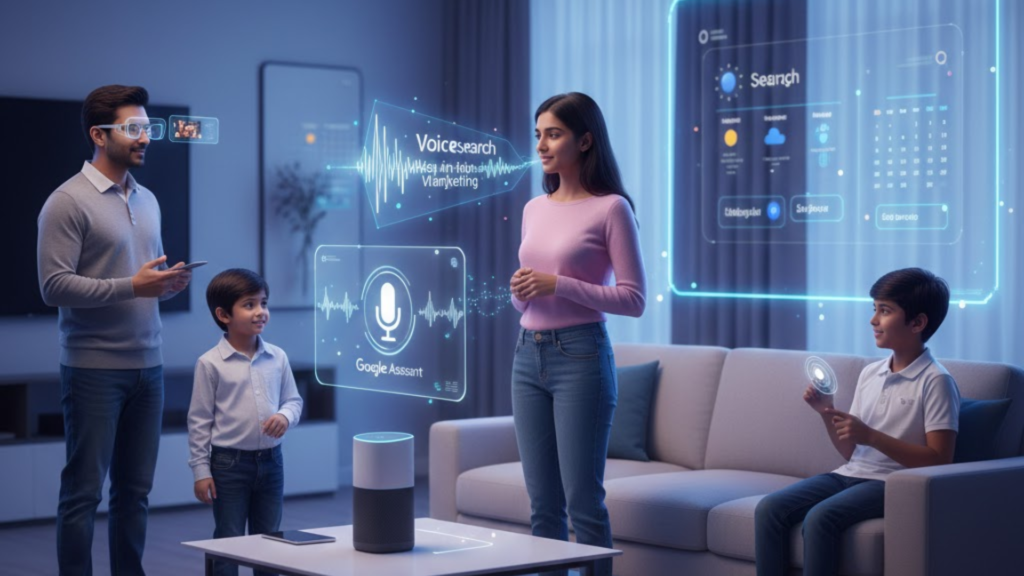
As AI assistants like Alexa, Siri, and Google Assistant become more human-like in their Hindi and regional language processing, “Screenless” searches are skyrocketing.
Optimizing for the “Ear”:
Voice searches are longer and more conversational.
- Strategy: Long-tail keyword optimization. Instead of “Sofa Shop Delhi,” optimize for “Where can I find a durable L-shaped sofa near me in South Delhi?”
- FAQ Focus: Create an extensive FAQ page. Voice assistants often pull answers directly from “How,” “Where,” and “When” questions on your website.
8. Micro-Influencer Ecosystems: Trust Over Reach
The era of the “Mega-Celebrity” influencer is fading for SMBs. Consumers in 2026 look for relatability. A local food blogger with 5,000 followers in Lucknow has more influence over a Lucknow resident’s dinner choice than a Bollywood star.
Collaboration Strategy:
- Micro-Influencers (10k-50k): Great for city-wide awareness.
- Nano-Influencers (1k-10k): Perfect for hyper-local niches (e.g., “Moms in Gurgaon” or “Gamers in Bangalore”).
- KPI Shift: Don’t look at “Likes.” Look at Saves, Shares, and Direct Messages. These indicate true intent and trust.
9. AI-Driven Personalization: The “Amazon” Experience for Small Shops
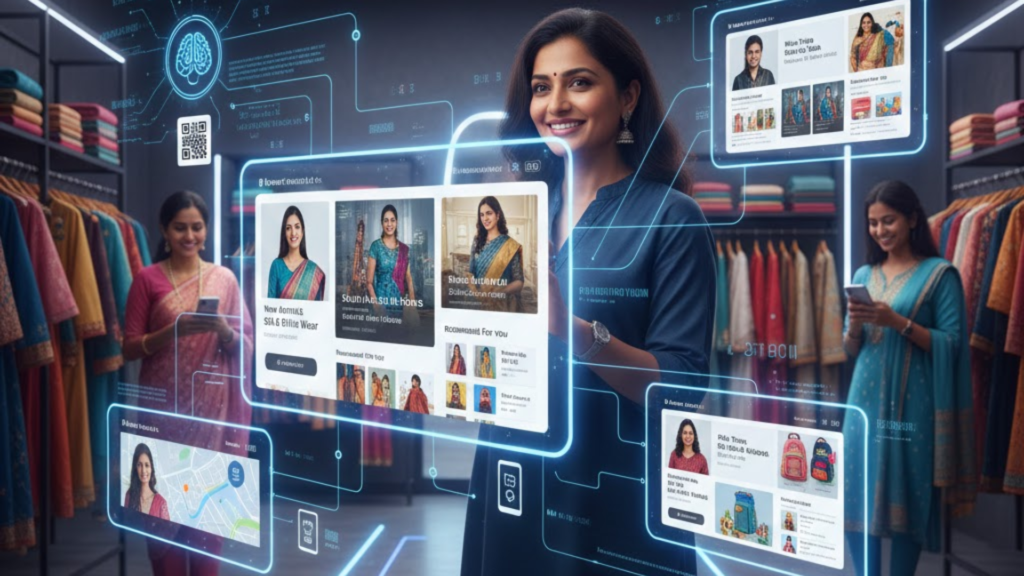
In 2026, AI tools are affordable. Even a local boutique can use AI to offer a personalized website experience.
Implementing Personalization:
- Dynamic Content: If a user frequently looks at “Formal Shirts” on your site, your homepage should automatically show them the latest formal collection on their next visit.
- Predictive Re-ordering: If you sell consumables (like tea, spices, or skincare), use AI to predict when the customer is about to run out and send a “One-click reorder” link via SMS or WhatsApp.
10. Community Building: The “Anti-Algorithm” Strategy
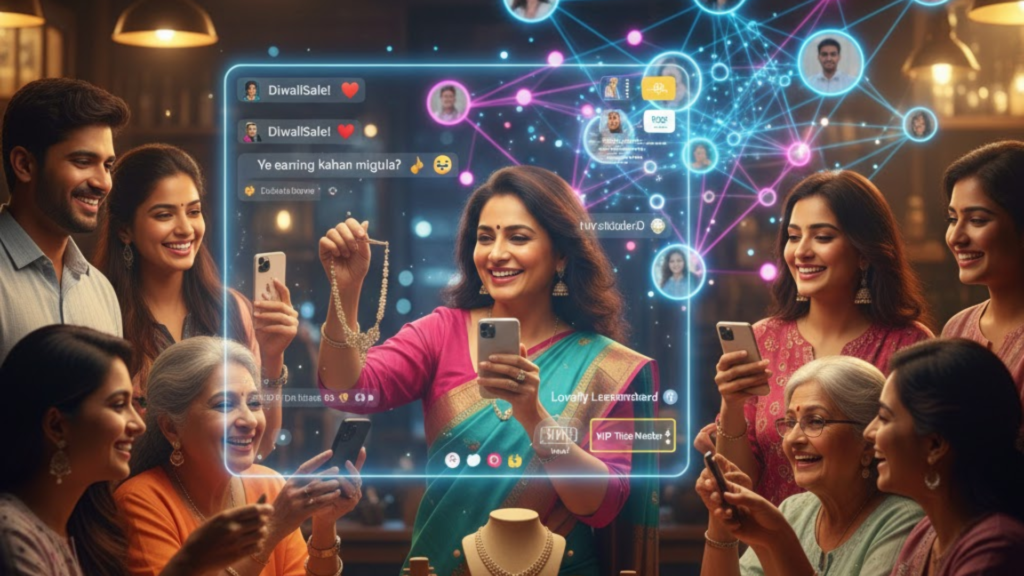
Algorithms change, but communities stay. The most successful Indian brands in 2026 are those that have built a “tribe.”
How to Build a Digital Tribe:
- Exclusive Access: Create a “VIP Club” on Telegram or WhatsApp for your top 100 customers. Give them early access to sales and ask for their input on new product designs.
- Live Streams: Use “Live Shopping” sessions. Interact with your audience in real-time, answer their questions, and offer “Live-only” discounts. This builds a human connection that an AI can never replicate.
Frequently Asked Questions (FAQ)
Q1: Is Digital Marketing in 2026 only for tech-savvy business owners?
Answer: Absolutely not. The tools in 2026 are more intuitive than ever. Using AI for content creation and WhatsApp for sales is as simple as using a smartphone. The key is consistency, not technical expertise.
Q2: How much should a small business in India spend on digital marketing?
Answer: A good rule of thumb for 2026 is to reinvest 7% to 12% of your monthly revenue into marketing. Start small with Local SEO and WhatsApp, then scale into paid ads once you see a positive ROI.
Q3: Does traditional SEO still matter if AI gives all the answers?
Answer: Yes, but the goal has shifted. SEO now provides the “Proof” that AI needs to trust you. If your website has good technical health and high-quality content, AI engines are more likely to recommend you.
Q4: How do I handle the DPDP Act requirements?
Answer: Always ask for permission. Use a clear “Opt-in” checkbox on your forms. Ensure you have a way for customers to “Opt-out” easily. In 2026, privacy is a hallmark of a professional business.
Final Roadmap: Your 90-Day Transformation
- Days 1-30: Audit your Google Business Profile. Add 20 high-quality photos and 5 videos. Start responding to every single review.
- Days 31-60: Launch a WhatsApp Catalog. Move your customer communication to a professional WhatsApp Business API.
- Days 61-90: Start a weekly “Vernacular Video” series. Talk to your customers in their language about their problems, not just your products.
The future of digital marketing in India 2026 is personal, local, and conversational. Are you ready to lead the change?