In 2026, the phrase “going digital” is obsolete because there is no other way to exist. Whether you are an agency owner under the Mocaup brand or a manufacturer of industrial IP67 junction boxes, your digital presence is your resume, your storefront, and your sales team all in one.Below, we explain in exhaustive detail why digital marketing has become the literal backbone of global and Indian commerce.
1. The Death of Distance: Global Reach and Hyper-Localization
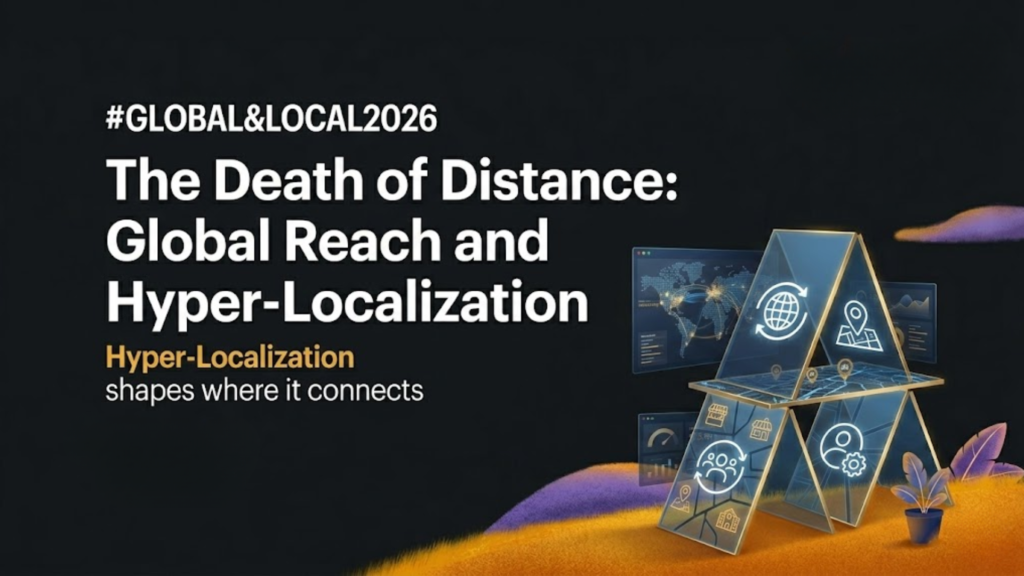
The most significant shift in 2026 is the ability to be “everywhere and anywhere” simultaneously. Digital marketing has removed the physical constraints that used to kill small businesses.
A. Breaking Geographical Barriers
Previously, if you were a solar installer in Jaipur, your business was limited to Jaipur. Today, through SEO (Search Engine Optimization), a factory owner in Assam can find your expertise online. Digital marketing allows you to export your services across states without setting up physical offices.
B. Hyper-Local Targeting (The “Niche” Power)
While you can go global, you can also go “micro-local.”
- Geo-Fencing: You can show ads only to people within a 5km radius of a specific industrial park.
- Vernacular Marketing: In India, the “next billion” internet users speak Hindi, Gujarati, and Assamese. Digital marketing allows you to create specific campaigns for these regions, building a level of trust that “English-only” brands cannot match.
2. The Science of Measurability: Data over Guesswork
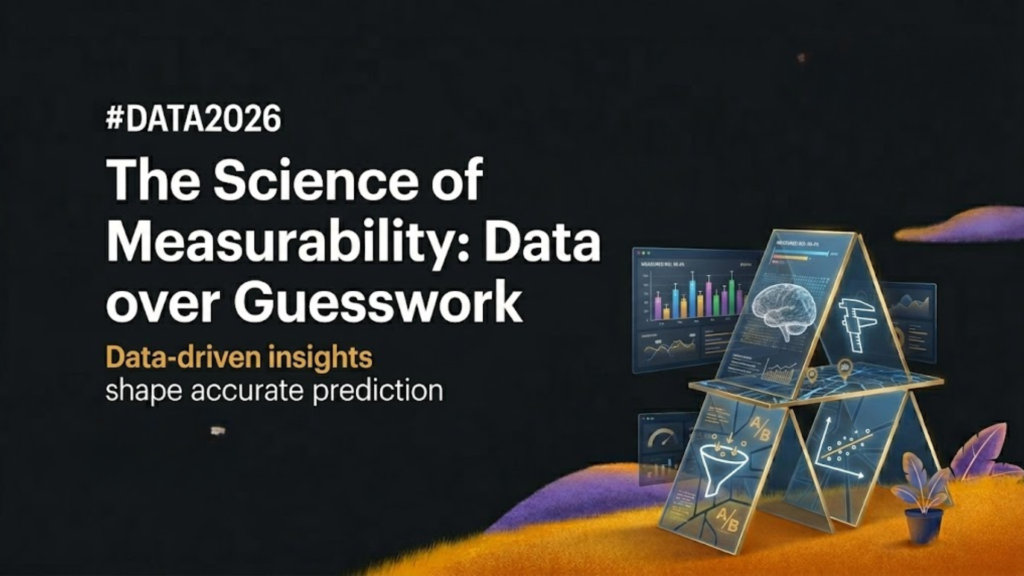
In 2026, data is the “new oil.” Traditional marketing was like shooting arrows in the dark; digital marketing is a laser-guided missile.
A. Real-Time Analytics
With tools like Google Analytics 4 (GA4) and Meta Insights, you can see exactly how many people clicked your ad, how long they stayed on your blog, and at what point they decided to leave. This allows for Pivot Marketing—if a campaign isn’t working at 10:00 AM, you can change the creative by 10:05 AM.
B. Multi-Touch Attribution
A customer rarely buys on the first click. They might:
- See your Reel on Instagram.
- Search “Why digital marketing is important” on Google.
- Read your blog on Mocaup.
- Finally, click a WhatsApp ad to enquire. Digital marketing allows you to track this entire journey, giving you a clear picture of your Customer Acquisition Cost (CAC).
3. High-Performance Industry Focus: The B2B and Solar Revolution
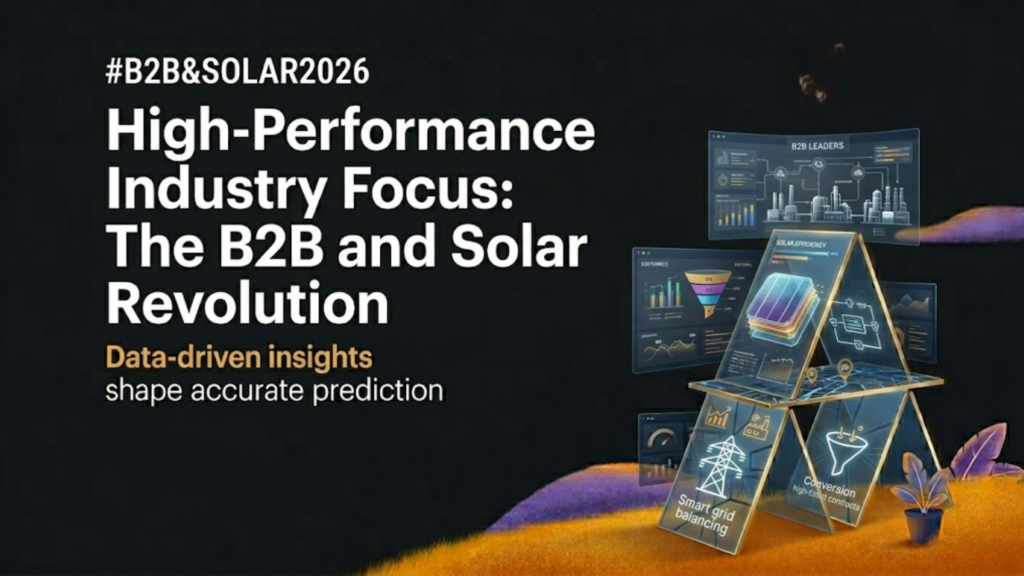
For technical industries like Solar EPC or Electrical Manufacturing, digital marketing isn’t just about “posting photos.” It is about Technical Authority.
A. Case Study: Solar Lead Generation
Buying solar is a high-ticket investment. A customer needs to know about the ₹1,30,800 subsidy and the technical life of the panels.
- Educational Funnels: By writing detailed guides on solar ROI, you stop being a “seller” and start being an “advisor.”
- B2B Trust: For products like MCB PVC Enclosures, digital marketing allows you to showcase technical specs (IP ratings, heat resistance) directly to procurement managers on LinkedIn.
4. The 2026 Tech Frontier: GEO and AI Integration
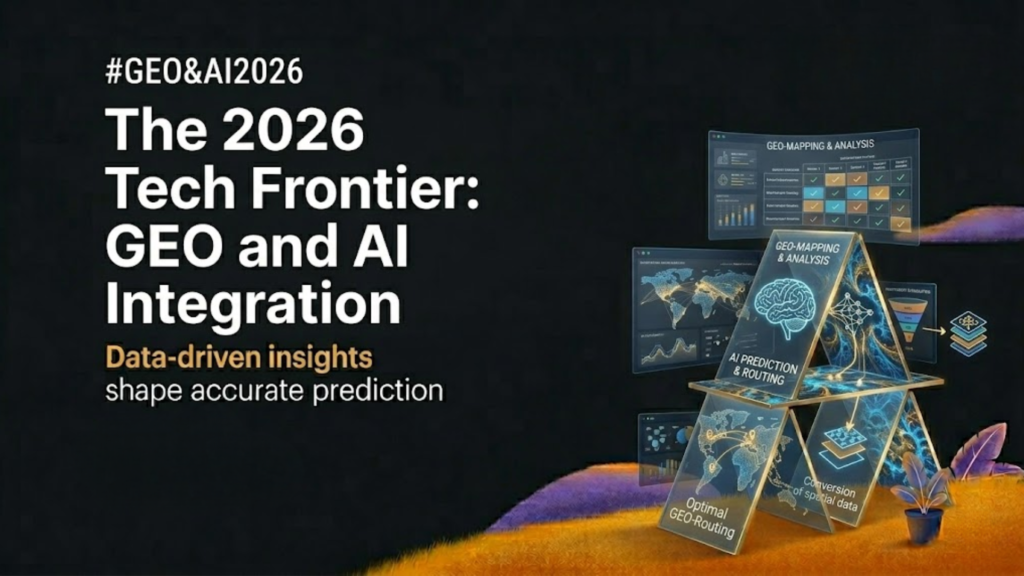
Search is changing. We are moving from “Search Engines” to “Answer Engines.”
A. Generative Engine Optimization (GEO)
In 2026, AI (like Gemini or GPT) answers user queries directly. To be the “Backbone,” your business content must be formatted so AI can cite you. This requires:
- Structured Data: Using Schema markup so robots understand your content.
- Direct Answers: Writing clear, factual statements that solve user problems instantly.
B. AI-Driven Personalization
AI now predicts what your customer wants before they know it. If a user has been looking at “factory renovation,” your ads for industrial junction boxes appear at the perfect psychological moment.
5. The Economic Advantage: Cost-Effectiveness and ROI
Digital marketing is the only investment where you have total control over the “tap” of expenses.
Comparison Table: Why Digital Marketing Wins the Budget War
| Feature | Traditional Marketing | Digital Marketing (2026) |
| Minimum Entry | Very High (Lakhs for TV/Print) | Very Low (Start with ₹500/day) |
| Audience Control | None (Mass audience) | Absolute (Target by interest/intent) |
| Feedback Loop | Weeks or Months | Instant (Real-time comments/leads) |
| ROI Calculation | ROI=Estimated | ROI=Total Ad SpendNet Profit×100 |
| Longevity | One-time (Newspaper is trash tomorrow) | Permanent (Blogs stay on Google forever) |
Export to Sheets
Comprehensive FAQ (Frequently Asked Questions)
Q1: Is digital marketing useful for very small local shops? Yes. Through “Google Business Profile” and local SEO, a small shop can appear at the top when someone searches “electronics shop near me.” It is the most affordable way to get discovered.
Q2: How has SEO changed in 2026? SEO is no longer about “keywords.” It is about User Experience (UX) and Authority. Google prioritizes websites that load fast, are mobile-friendly, and are written by actual experts (E-E-A-T).
Q3: Can social media alone sustain a business? While social media is great for awareness, your Website is your “owned” land. Social media algorithms can change, but your SEO-optimized website is a permanent backbone that you control.
Q4: What is the biggest mistake businesses make in digital marketing? Expecting “Instant Results.” Digital marketing is a marathon. While ads give instant leads, true brand backbone is built through consistent content and SEO over 6–12 months.
Final Conclusion
In 2026, digital marketing is the heartbeat of the economy. For brands like Mocaup and the industries you serve—from Solar Energy to Industrial Manufacturing—ignoring the digital shift is no longer an option. It is the bridge between a local business and a global empire.
Invest in your digital backbone today, or risk being the “invisible” business of tomorrow.