In the hyper-competitive digital landscape of 2025, visibility isn’t just an advantage—it’s survival. For Indian entrepreneurs, from small-scale startups in Bangalore to established manufacturing hubs in Ahmedabad, the debate always circles back to one critical question: Where should I spend my marketing budget? Welcome to the ultimate showdown of Paid Media Marketing. While both Google Ads and Facebook (Meta) Ads offer unparalleled reach, they serve fundamentally different purposes. Understanding these nuances is the difference between a high-ROI campaign and a drained bank account.
1. What is Paid Media Marketing?
Before diving into the platforms, we must define the strategy. Paid Media Marketing refers to external marketing efforts that involve a paid placement. Unlike organic SEO, which takes months to show results, paid media acts as a “tap” that you can turn on to get instant traffic.
In India, where mobile data is among the cheapest in the world, the digital consumer journey has changed. A farmer in Punjab might use YouTube (Google) to learn about fertilizers, while a college student in Pune might discover a new apparel brand on Instagram (Facebook). To win, your business must be where the eyes are.
Core Components of Paid Media Marketing
- Search Engine Marketing (SEM): Appearing on top of Google results.
- Social Media Advertising: Targeted ads on Facebook, Instagram, and LinkedIn.
- Display Marketing: Visual banners on news sites and blogs.
- Remarketing: Following a user who visited your site but didn’t buy.
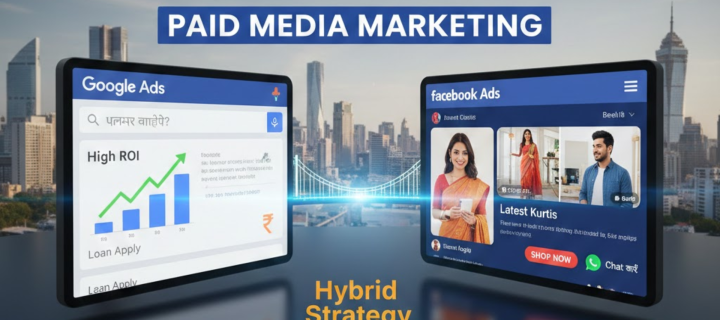
2. Comparing Google Ads and Facebook Ads at a Glance in Paid Media Marketing
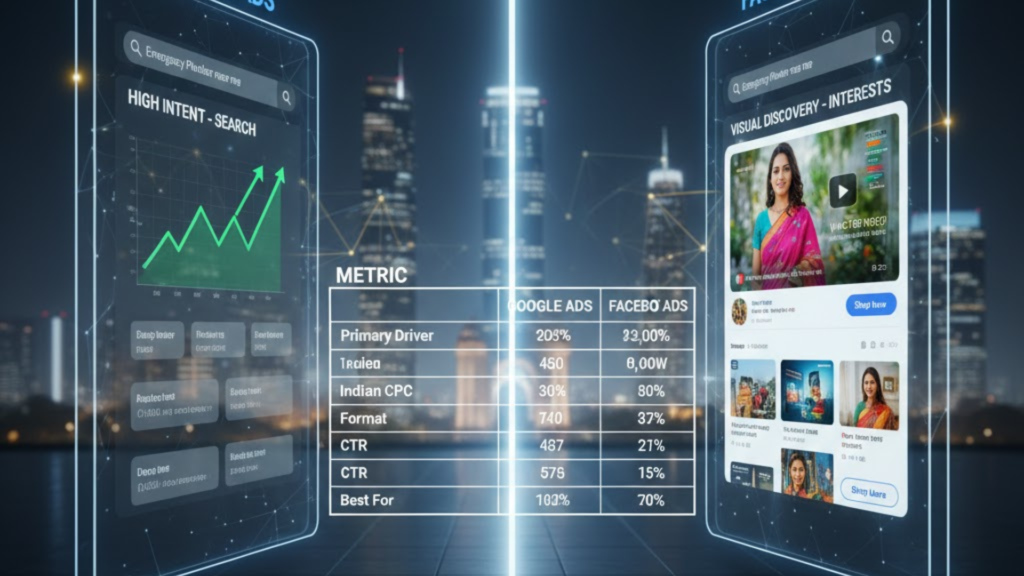
To simplify your decision-making, this table breaks down the key performance indicators (KPIs) for the Indian market.
| Feature | Google Ads | Facebook (Meta) Ads |
| Primary Driver | Search Intent (High Intent) | User Interest (Discovery) |
| Buyer Journey Stage | Bottom Funnel (Ready to buy) | Top/Middle Funnel (Awareness) |
| Ad Formats | Search Text, YouTube, Shopping | Images, Reels, Carousels |
| Average Indian CPC | ₹15 – ₹150 (Depends on Niche) | ₹2 – ₹20 (Highly Affordable) |
| Best For | Sales, Leads, Services | Brand Awareness, D2C Products |
| Engagement Type | Functional / Problem Solving | Visual / Emotional |
3. The Power of Intent in Paid Media Marketing: Why Choose Google Ads?
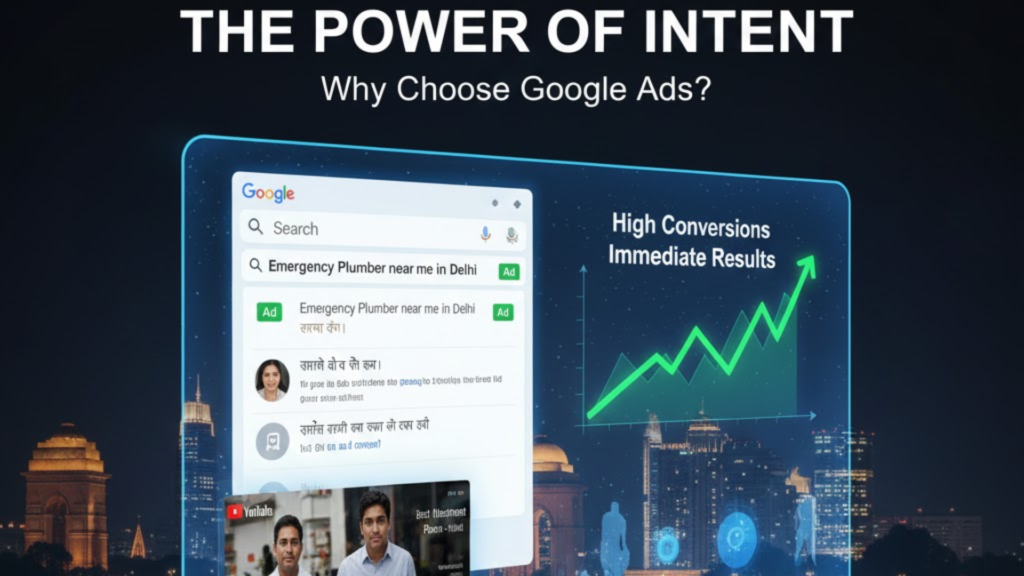
Google is often called the “Digital Yellow Pages.” When someone goes to Google, they are actively looking for a solution. This is what we call Active Search Intent.
A. High Conversion Rate
If a customer in Delhi searches for “Best CA for GST filing,” they have an immediate need. If your ad appears, the chances of them calling you are extremely high compared to an ad they see randomly while scrolling social media.
B. The YouTube Advantage
YouTube is the second largest search engine in the world and is massive in India. Paid Media Marketing on YouTube allows you to show visual tutorials or reviews to users who are researching a product.
C. Pay Only for Results
With the PPC (Pay-Per-Click) model, you don’t pay for just showing the ad; you pay when an interested user actually clicks to visit your website. This makes budget tracking very transparent for small Indian businesses.
4. Visual Discovery: Why Choose Facebook Ads?
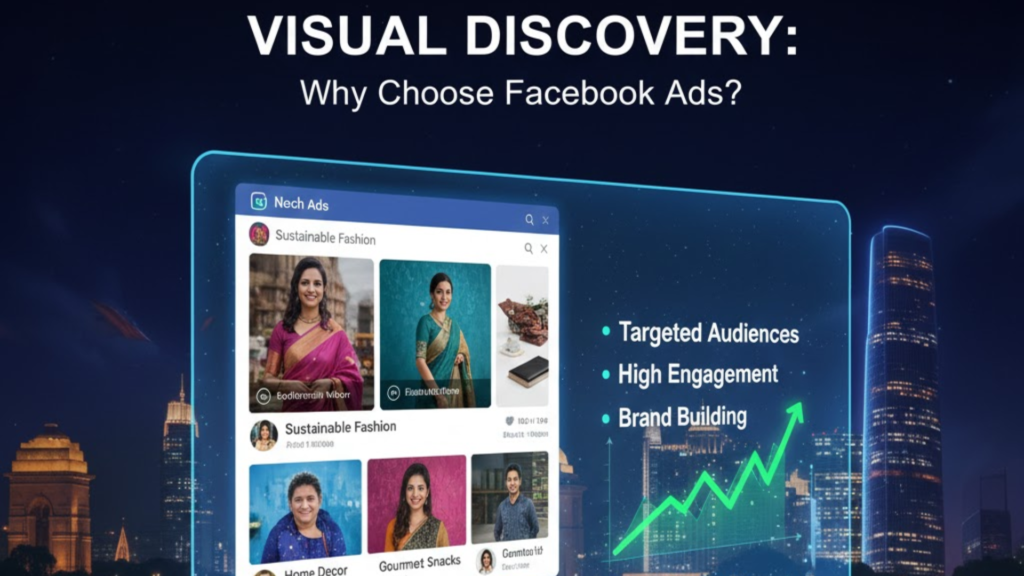
Facebook (and Instagram) functions like a digital magazine or a massive digital billboard. Users don’t go there to solve a problem; they go there to connect and be entertained. This is Passive Discovery.
A. Incredible Targeting Granularity
Facebook knows everything about its users. You can target:
- Demographics: Newly married couples in Mumbai.
- Interests: People interested in “Interiors” or “Luxury Watches.”
- Lookalike Audiences: Upload your current customer list, and Facebook will find “similar” people across India.
B. Lower Barrier to Entry
You can start a Facebook ad campaign with as little as ₹100 per day. For a local Indian bakery or a home-grown jewelry brand, this is the most cost-effective way to get the word out.
C. Visual Impact via Reels
India is a video-first nation. Instagram Reels Ads have a much higher engagement rate than traditional static images. If your product looks good on camera, Facebook Ads will be your biggest revenue driver.
5. Strategic Deep Dive: Which Should You Choose?
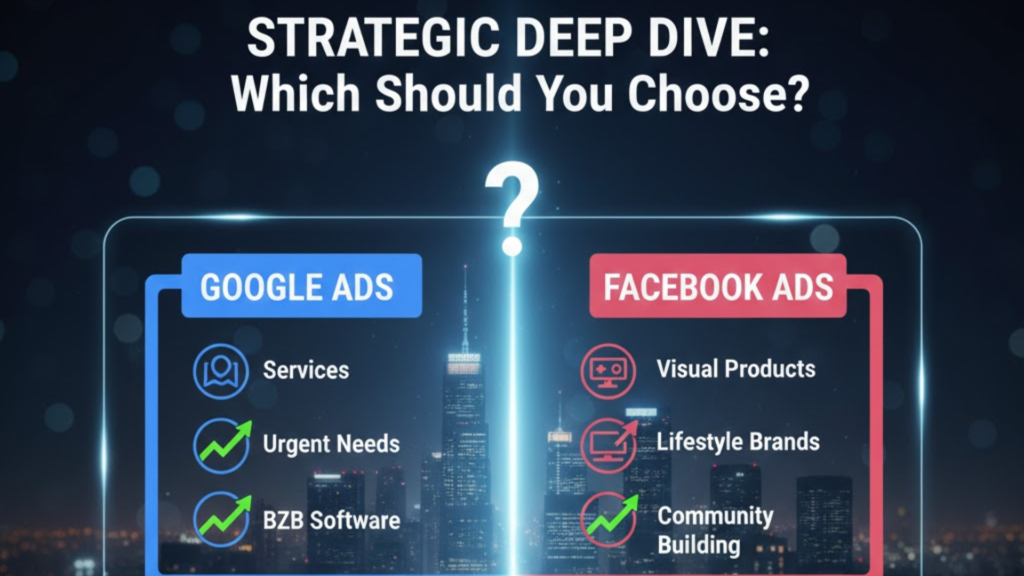
Aligning your business type with the right platform is the secret to Paid Media Marketing success.
1: You Sell a Service or Urgent Solution
- Examples: Packers and Movers, Emergency Medical Services, Real Estate, Legal Advice.
- Winner: Google Ads. People search for these only when they need them.
2: You Sell a “Visual” or Lifestyle Product
- Examples: Fashion, Home Decor, Organic Skincare, Gadgets.
- Winner: Facebook Ads. These are “impulse buys” triggered by beautiful visuals.
3: You Are a B2B Software (SaaS) Company
- Winner: Hybrid Strategy. Use Google Ads to capture those searching for software and LinkedIn/Facebook to build brand authority among decision-makers.
6. The “Indian Factor”: Tactics for Local Success

To truly excel in the Indian market, consider these bold formatting tips for your ad copies:
- Regional Language (Vernacular): Don’t stick to English. Running ads in Hindi, Tamil, or Bengali can lower your cost-per-lead by 40%.
- Trust signals: Indian buyers are skeptical. Use bold text like “ISO Certified,” “Used by 1 Lakh+ Indians,” or “Free Delivery.”
- Cash on Delivery (COD): If you are an E-commerce brand, highlighting “COD Available” is the single most important factor for conversion in India.
- WhatsApp Integration: India lives on WhatsApp. Use “Click to WhatsApp” ads on Facebook to let customers chat with you instantly.
7. Budget Allocation: How to Split Your Spend?
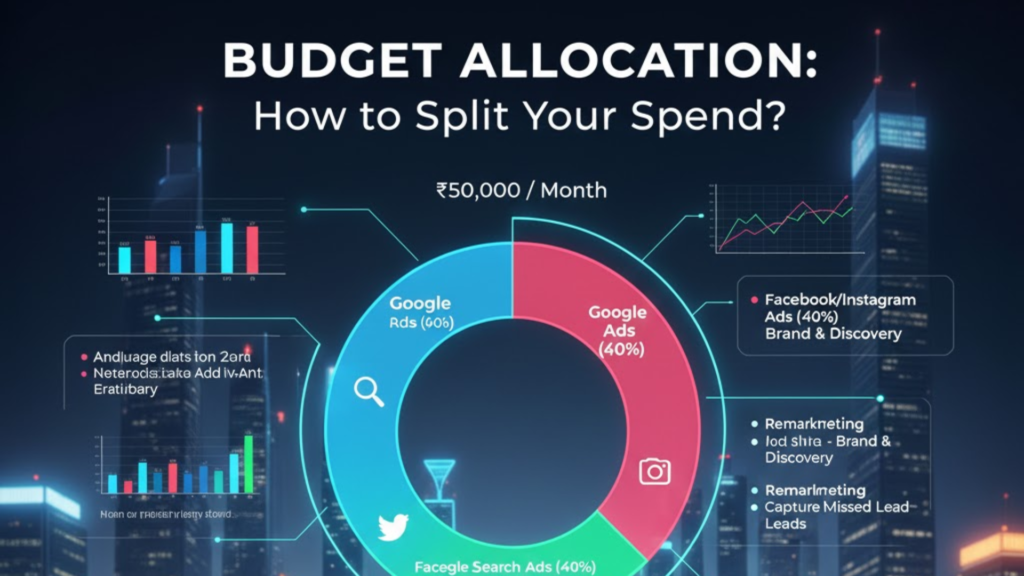
If you have a budget of ₹50,000 per month, here is a recommended split for a growing Indian brand:
- Google Search Ads (₹20,000): Target high-intent keywords to get immediate sales.
- Facebook/Instagram Ads (₹20,000): Build brand awareness and target new interests.
- Remarketing (₹10,000): Show ads on both platforms to people who visited your site but didn’t buy.
8. Common Pitfalls to Avoid
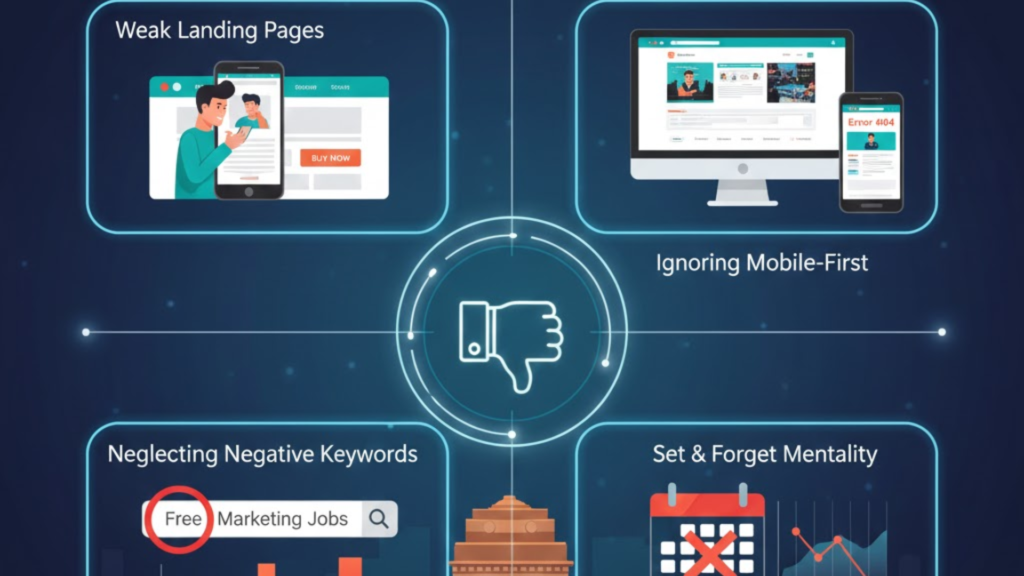
- Ignoring Negative Keywords: In Google Ads, ensure you aren’t paying for clicks like “Free” or “Jobs” if you are trying to sell a product.
- Bad Mobile Experience: If your website doesn’t load instantly on a 4G connection, you are throwing money away.
- Set it and Forget it: Paid Media Marketing requires weekly optimization. Monitor which ads are performing and stop the losing ones.
Frequently Asked Questions (FAQ)
Q1. Which platform gives faster results?
Google Ads usually provides faster sales because users are already looking to buy. Facebook takes time to “warm up” the audience.
Q2. Is Facebook better than Instagram for Indian audiences?
For Tier-2 and Tier-3 cities and an older demographic, Facebook is stronger. For Gen Z and Millennials in Tier-1 cities, Instagram is the clear winner.
Q3. What is a “good” CTR in India?
A Click-Through Rate (CTR) of 2% to 4% on Google Search and 1% to 2% on Facebook is considered healthy for the Indian market.
Q4. Do I need a high-end agency for Paid Media Marketing?
No. Startups can manage their own ads using the “Self-Serve” dashbords. However, once you spend over ₹1 Lakh/month, an expert might save you more than they cost.
Q5. How much should I spend on my first campaign?
Start with ₹500/day for 10 days. This gives the platform’s AI enough data to understand who is interested in your business.
Conclusion: The Final Verdict
The battle of Paid Media Marketing isn’t about which platform is better—it’s about which one fits your customer’s mindset.
- Google Ads is your “Closer”—it finishes the sale.
- Facebook Ads is your “Promoter”—it starts the conversation.
For a successful Indian business, a Hybrid Approach—capturing intent on Google and building desire on Facebook—is the most sustainable roadmap to 10x growth.
Ready to Launch Your First Campaign?
Would you like me to draft a high-converting Google Search Ad copy or a Facebook Reel script tailored to your specific Indian business niche?