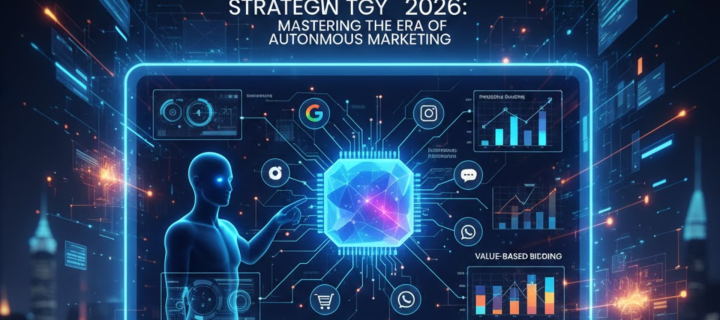
As we navigate through the mid-2020s, the digital advertising landscape has moved past the “Information Age” and entered the “Agentic Age.” Today, developing a winning paid ads strategy 2026 is no longer just about who can set up the best campaign structure or bid the highest; it is about who can provide the most accurate data to the AI and the most resonant stories to the human consumer.
If you are a marketer, business owner, or CMO looking to scale, you must realize that the traditional playbooks of 2024 are now obsolete. This comprehensive 2000-word roadmap will provide the architectural blueprint needed to build a future-proof paid ads strategy 2026 that dominates your industry while your competitors struggle with outdated tactics.
1. The Death of the Keyword: Embracing Multimodal Search (Core of a Modern Paid Ads Strategy 2026)
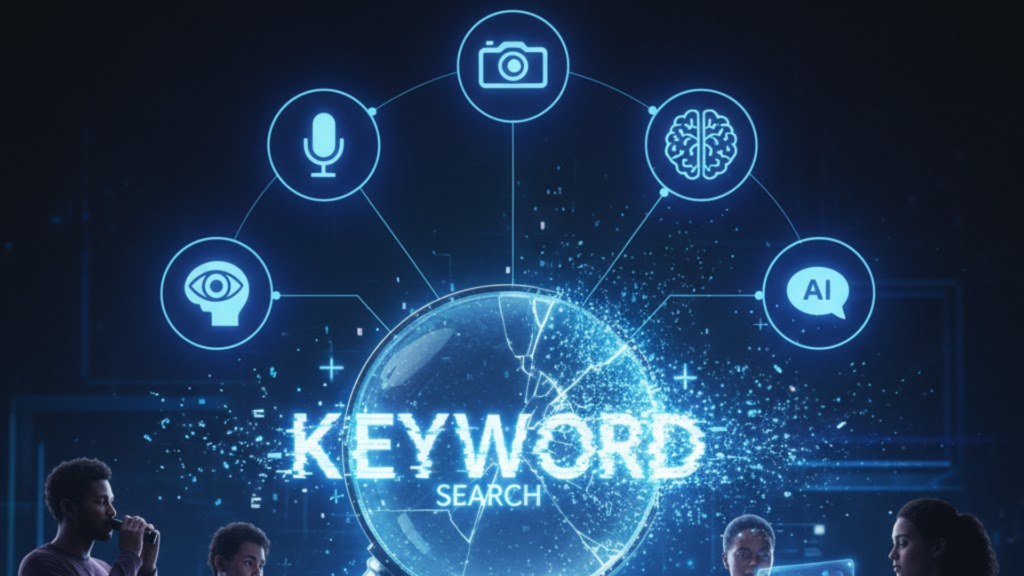
For decades, the “Keyword” was the king of search advertising. In 2026, the king has been dethroned by User Intent and Context.
The Shift from Strings to Things (A Core Transformation in Paid Ads Strategy 2026)
With the maturity of LLM-based Search (Large Language Models), users no longer search in fragmented phrases like “best dental clinic Jaipur.” Instead, they use natural language: “I have a sharp pain in my upper molar and I need an affordable clinic open after 7 PM near Malviya Nagar.”
Strategic Execution in 2026:
- Semantic Matching: Stop obsessing over “Exact Match” keywords. Focus on “Topic Clusters.” Ensure your ad copy answers the specific pain point described in conversational queries.
- Visual Search Integration: With tools like Google Lens becoming a primary shopping tool, your paid ads must now include Image Assets that are optimized for visual recognition. If a user snaps a photo of a dress, your ad should be the one that recognizes the fabric and style to offer a purchase link.
- Voice Search Bidding: 60% of searches in India are now voice-activated. Your strategy must include “Bidding for the Snippet”—the single spoken answer provided by AI assistants.
2. Creative-Led Growth: The New Performance Engineering (Foundation of a Modern Paid Ads Strategy 2026)
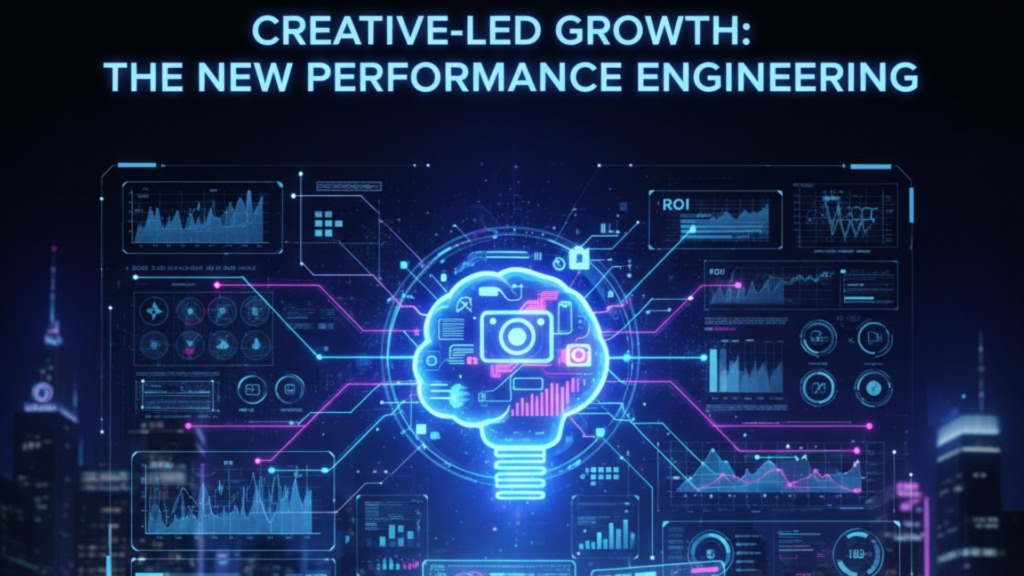
In 2026, the algorithm handles the targeting so well that “Interest Targeting” is effectively dead. The algorithm uses your Ad Creative as the targeting tool.
The Psychology of the 2026 Consumer
The average consumer sees 15,000+ ads a day. To break through, your creative must move through the “Attention-Value-Action” (AVA) framework.
| Creative Component | 2026 Requirement | Why it Works |
| The Hook (0-1.5s) | Hyper-relevant, non-ad-like visuals. | Bypasses “Ad Blindness.” |
| The Body (1.5-15s) | Narrative-driven, problem-solving. | Builds dopamine-driven engagement. |
| The CTA (Final 5s) | Frictionless (In-app purchase). | Reduces “Decision Fatigue.” |
The AI-Creative Feedback Loop:
Marketers now use Synthetic Testing. Before spending $1 on a real audience, you run your ad through an AI “Audience Simulator” that predicts engagement rates with 85% accuracy. This allows you to kill losing creatives before they ever go live.
3. Data Sovereignty: First-Party Data & The Privacy Vault

Third-party cookies are gone. Privacy laws like India’s DPDP Act have made data compliance a top priority. In 2026, your “Data Wealth” is your competitive moat.
Building the First-Party Engine
You cannot retarget people based on “Pixels” anymore. You must own the relationship.
- Interactive Funnels: Every ad should lead to an interaction that captures data—a calculator, a skin-type quiz, or a free consultation booking.
- Server-Side GTM: By moving your tracking from the user’s browser to your own server, you recover 30-40% of lost data caused by ad-blockers and privacy settings.
- Clean Rooms: Brands are now using Data Clean Rooms (like Amazon Marketing Cloud) to match their customer data with platform data without ever compromising user privacy.
4. The “Bharat” Strategy: Vernacular & Tier 2/3 Domination
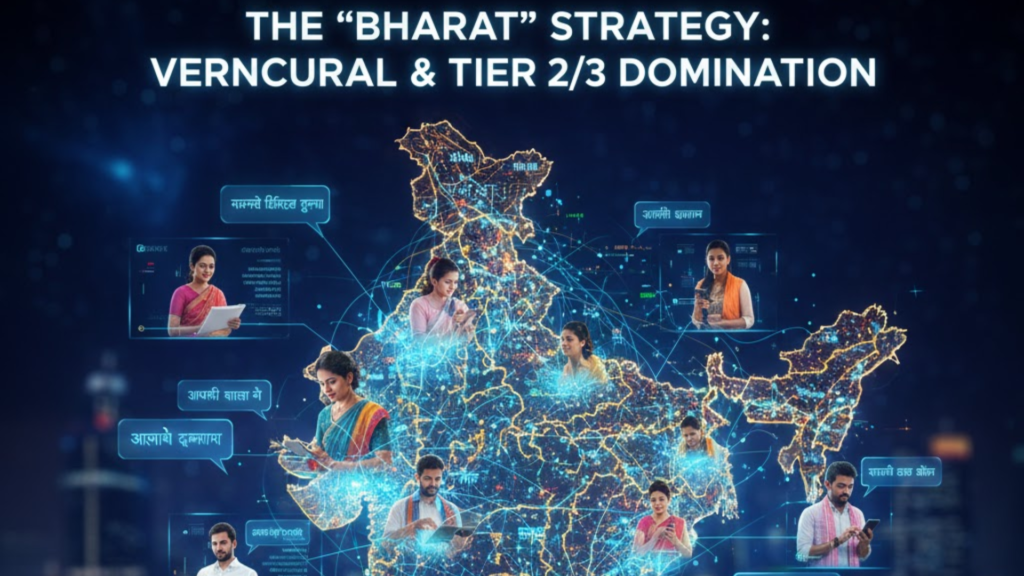
In 2026, the next wave of growth for Indian brands isn’t coming from Mumbai or Delhi—it’s coming from the “Heartland.”
Localizing Beyond Translation
- Transcreation over Translation: Don’t just translate English ads to Hindi. Rewrite them using local metaphors. An ad for a savings app in Punjab should look and sound different from an ad in Kerala.
- Audio-First Advertising: In rural India, audio ads on platforms like Spotify, Gaana, and FM-streaming are highly effective because they reach users while they work or commute.
- The “Hinglish” Bridge: For urban youth, “Hinglish” (a mix of Hindi and English) remains the most relatable and high-converting language for social media ads.
5. Social Commerce: From “Discovery” to “Delivery” in 3 Clicks
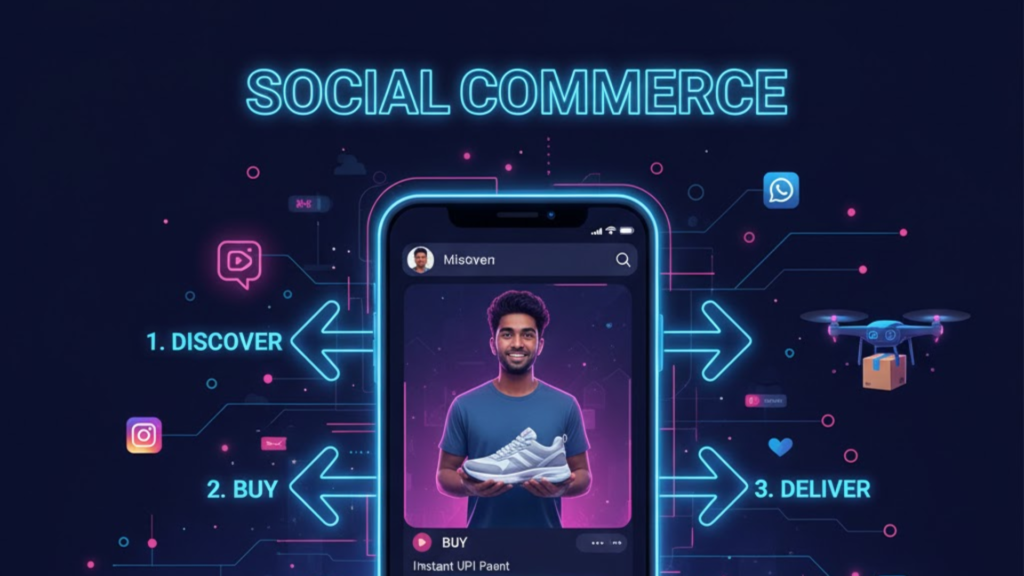
The friction between “Seeing an Ad” and “Buying the Product” has vanished.
The Rise of the Super-Apps
- WhatsApp Funnels: In India, WhatsApp is the “Super-App.” Your 2026 strategy must include Click-to-WhatsApp Ads. Instead of a landing page, the user enters a chat where an AI Bot handles product selection, address collection, and UPI payment.
- Livestreaming Ads: Influencers now host 24/7 shopping streams. Your paid ads “boost” these streams to a wider audience, allowing for real-time FOMO (Fear Of Missing Out) sales.
- AR Try-Ons: For fashion and furniture, Augmented Reality ads allow users to “place” a sofa in their room or “wear” sunglasses through their phone camera before clicking buy.
6. Predictive ROAS: Bidding for the Future, Not the Past
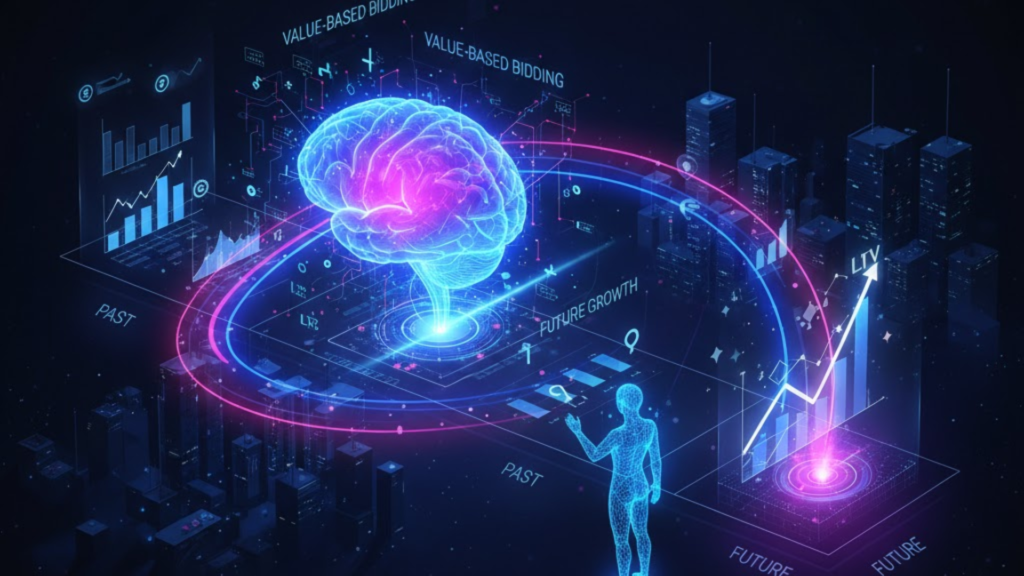
Traditional bidding looks at what happened yesterday. Predictive Bidding looks at what will happen next month.
Value-Based Optimization (VBO)
Instead of telling Google “Find me a lead for ₹500,” you tell the AI “Find me a customer who will spend ₹10,000 over the next year.”
- LTV Modeling: You feed your CRM data back into the ad platform. The AI learns that customers who buy “Product A” usually become repeat buyers, so it bids higher for those individuals.
- Profit-First Bidding: Automated scripts now pause ads not just based on high CPA (Cost Per Acquisition), but based on low net profit, accounting for returns and cancellations.
7. The Agentic Marketer: Managing the Machine
In 2026, you don’t “run” ads; you “orchestrate” agents.
The Weekly 2026 Marketing Workflow:
- Monday: Review AI-generated creative performance reports.
- Tuesday: Brief the AI Creative Studio on new “Angles” based on viral trends.
- Wednesday: Optimize the “Data Pipeline” (ensuring CRM and Ads are talking).
- Thursday: Strategy session on expanding into new “Niche” platforms (e.g., ads on VR/AR glasses).
- Friday: Human-led “Empathy Check” to ensure ads don’t sound too robotic.
Frequently Asked Questions (FAQs) – Deep Dive
Q1: How do I compete with big brands who have massive budgets?
In 2026, Agility beats Budget. AI levels the playing field. A small brand with a highly resonant, creative video and a fast WhatsApp checkout can out-convert a large brand with a boring ad and a slow website. Focus on “Niche Authority.”
Q2: Is email marketing dead because of Paid Ads?
Quite the opposite. Paid ads are the engine that drives people into your email/WhatsApp list. Once they are in your “Owned Media” ecosystem, you stop paying for every click, which is how you achieve a high LTV/CAC ratio.
Q3: What is the most common mistake in 2026 Paid Ads?
The “Set it and Forget it” mentality. While AI is smart, it needs a “Human Pilot.” The biggest mistake is not monitoring the Quality of Leads. AI might get you 1000 leads, but if 900 are junk, your strategy is failing. You must constantly refine the “Signals” you send to the AI.
Q4: How important is website speed for Paid Ads in 2026?
It is critical. With 5G being the standard, users expect pages to load in under 500ms. If your landing page takes 3 seconds, you are losing 50% of your paid traffic before they even see your offer.
Q5: Which platform should a B2B company focus on in 2026?
LinkedIn remains king for high-ticket B2B, but YouTube “Thought Leadership” Ads are a close second. Decision-makers in 2026 prefer watching a 2-minute expert breakdown over reading a 20-page whitepaper.